Spring has always been the season when nature comes to life, and this year it has been a particularly busy and demanding period for the ARCARoma project team. We have spent months working tirelessly in the field, whilst dedicating our free time to a wide range of activities across the city of Rome.
A journey into Rome’s secrets: over 60 field trips
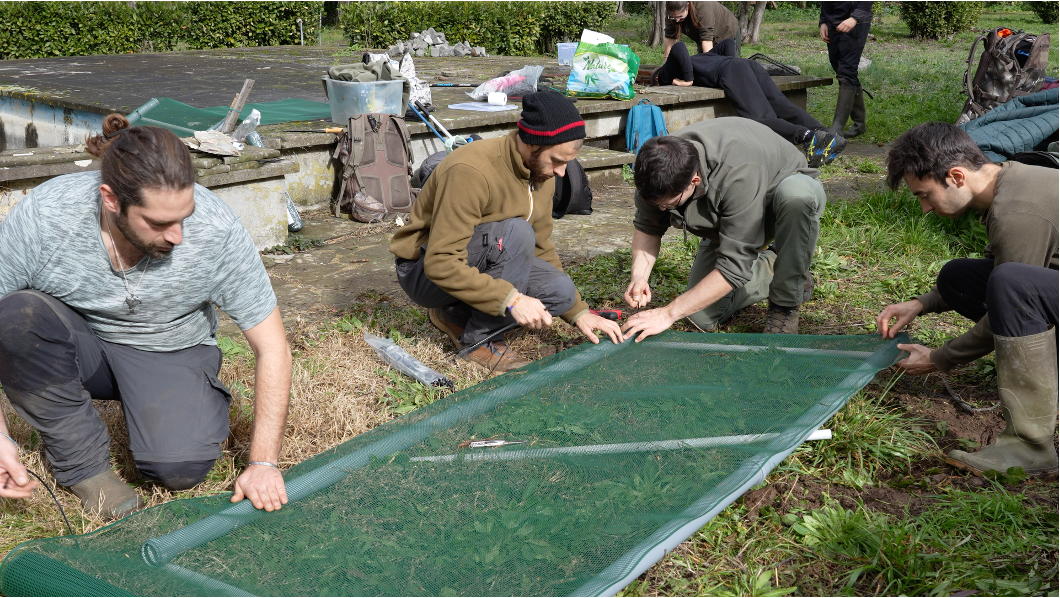
The core activity we have carried out over recent months has been a comprehensive survey of the Roman territory within the Grande Raccordo Anulare ring road (and beyond), with over 60 daily field trips conducted over five months. We literally explored some of Rome’s most remote, wild and hidden corners. It was not just a matter of mapping the distribution of amphibians across the area, but of taking concrete action: in some of these areas, we planned and carried out targeted conservation measures, restoring habitats crucial for amphibian reproduction and creating new ones where necessary.
One of the most significant outcomes of this spring campaign concerned the study of the presence and distribution of various amphibian species within the municipal area, searching for species at historically known sites whilst also seeking out potential new locations. One of our objectives is to update the current state of knowledge regarding Rome’s amphibian populations, which has often remained unchanged for over 20 years.
Thanks to the work of our team, we have managed to fill this gap in the data for certain species, updating the records and, even more interestingly, identifying new locations where species have been found that had never been reported before. These interesting discoveries give us a clearer picture of the conservation priorities for wetlands and amphibians within the city.
The Italian Crested Newt Project: from breeding to the future at the Botanical Garden
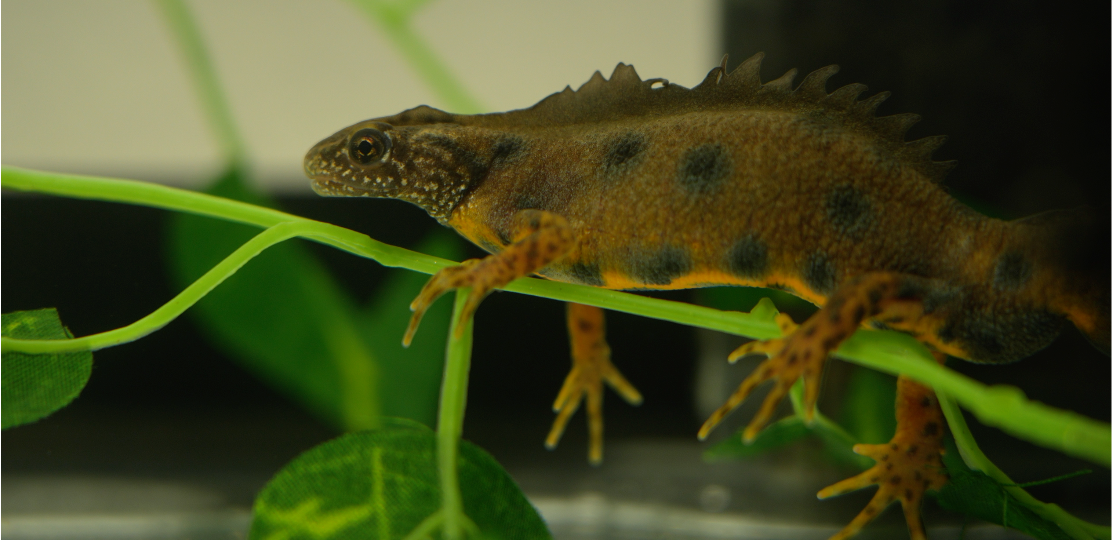
A huge amount of time and effort has been devoted to a flagship project: the conservation and reintroduction of the Italian crested newt within Rome’s Botanical Gardens.
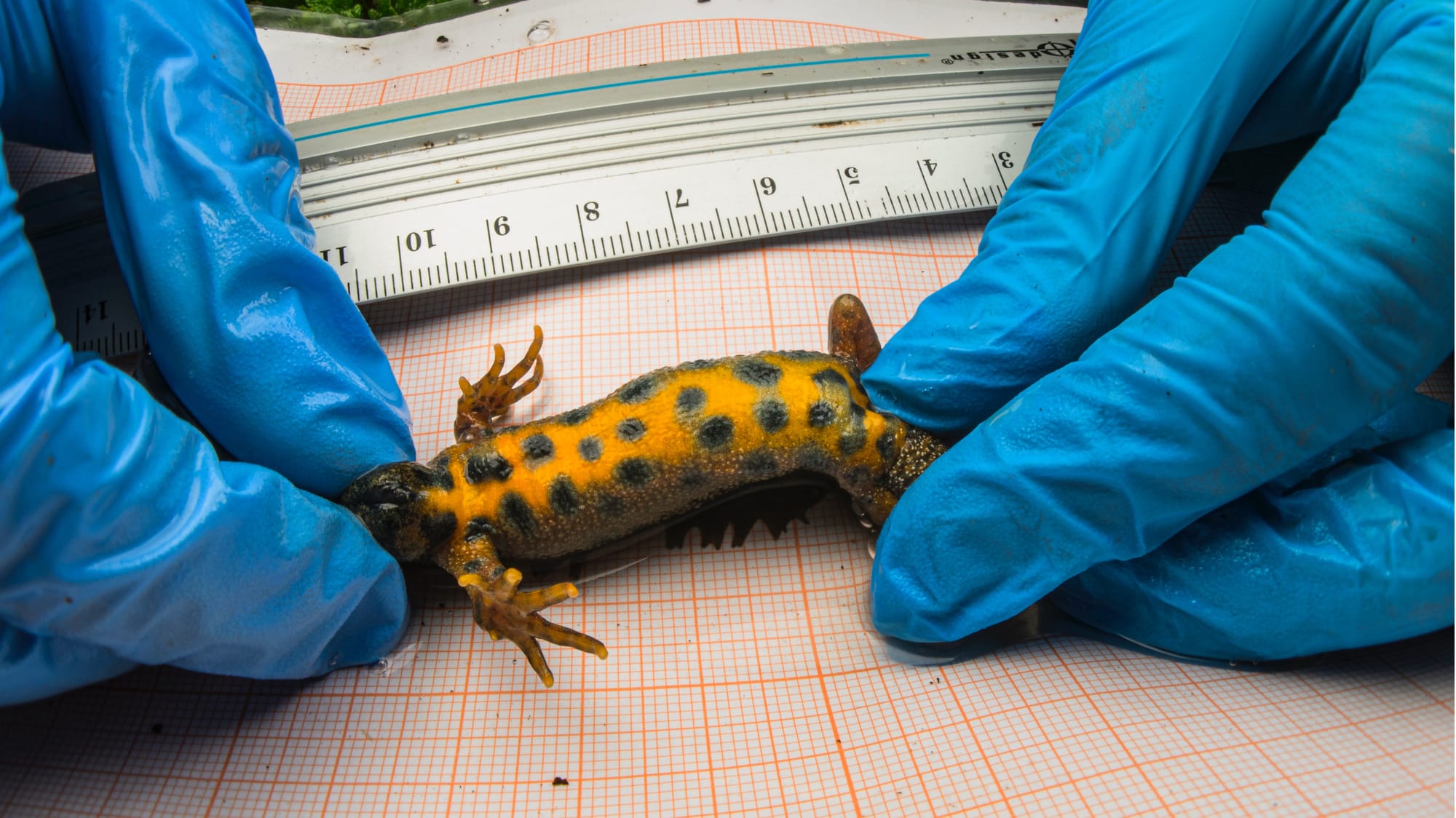
Our team and numerous volunteers have overseen every single stage of breeding this species with great care:
- The quarantine of adult specimens
- The management and breeding of adult specimens.
- The control and hatching of eggs.
- The assisted development of larvae in a controlled environment.
This extraordinary effort, which has required considerable time and resources, is aimed at an ambitious goal: the reintroduction of the species into the historic ponds and fountains of Rome’s Botanical Garden. The operation will enable the re-establishment of a thriving population, capable of sustaining itself over time, thereby ensuring the long-term conservation of the species in the area. Not only that: this nucleus will become a veritable ‘source’ for future repopulation and reintroduction projects in other suitable areas within Rome.
The power of teamwork: the invaluable contribution of volunteers
There have been many sacrifices, but the results are more than making up for the efforts made. None of this, however, would have been possible without the large group of volunteers who are making a huge contribution to the success of this first phase of the ARCARoma project. We are all volunteers. Thanks to our passion, perseverance and concrete help, we have been able to exponentially increase the work carried out, achieving what we could not have done on our own. To them goes our deepest gratitude!