As part of the ARCA Rome Project on amphibians in the capital, collaboration and constant dialogue with research institutions, local associations, citizens and authorities are a central part of our work. Creating, seeking and participating in opportunities for open discussion allows us not only to share different experiences and points of view, but also to understand and define together the prospects and directions that environmental policies and biodiversity conservation measures are taking in the near future.
Training and dialogue at the Botanical Gardens in Rome
In the context of the project's activities, we recently had the opportunity to present part of our work during a face-to-face event at the Botanical Gardens in Rome, aimed at participants of EIIS biodiversity and business sustanability executive program. The group consisted of professionals and entrepreneurs engaged in a training course dedicated to sustainability, management, biodiversity and the circular economy. The meeting was an opportunity for concrete discussion between research and business, useful for reflecting on how scientific knowledge can be translated into sustainable management practices and strategies.
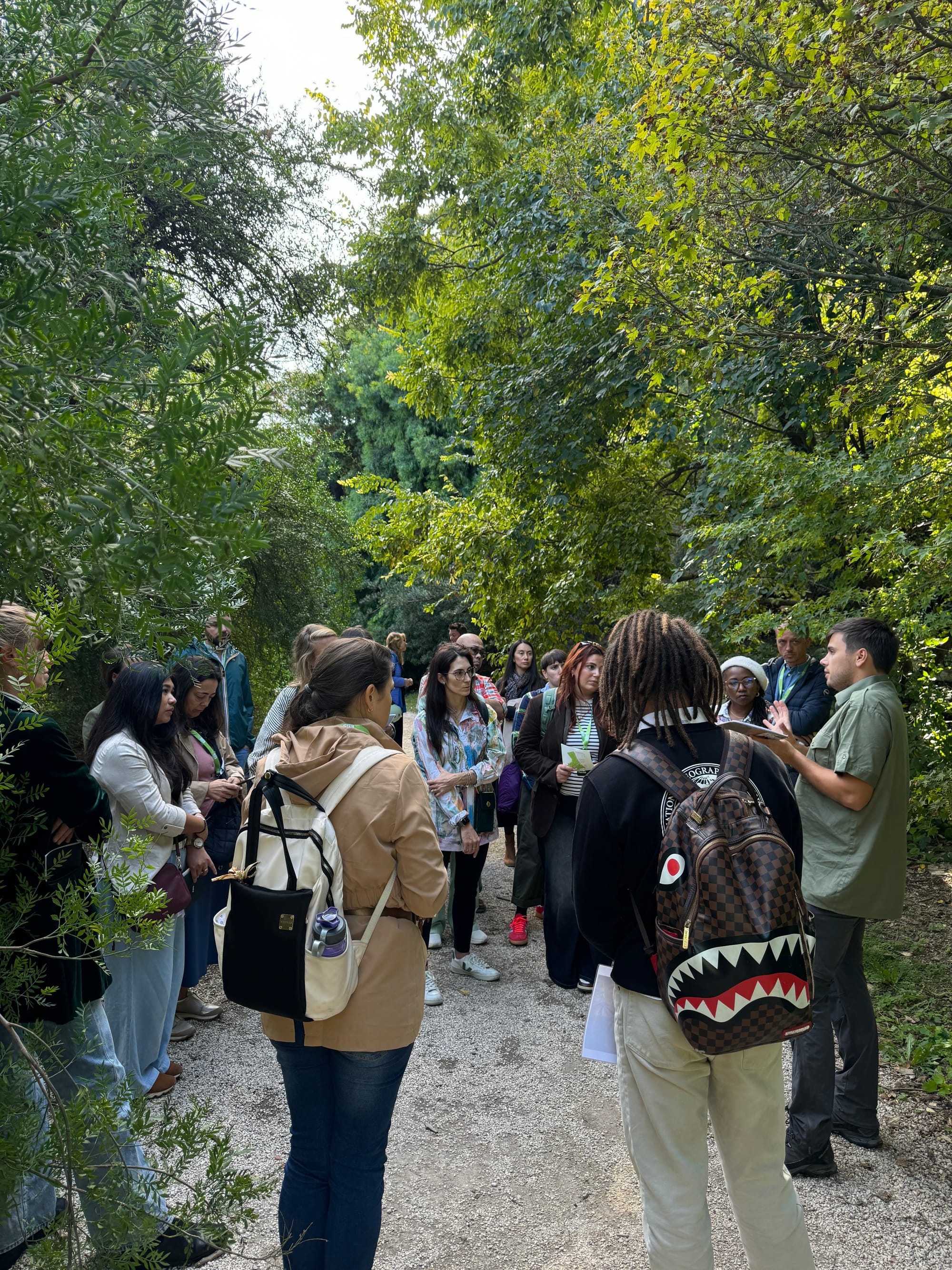
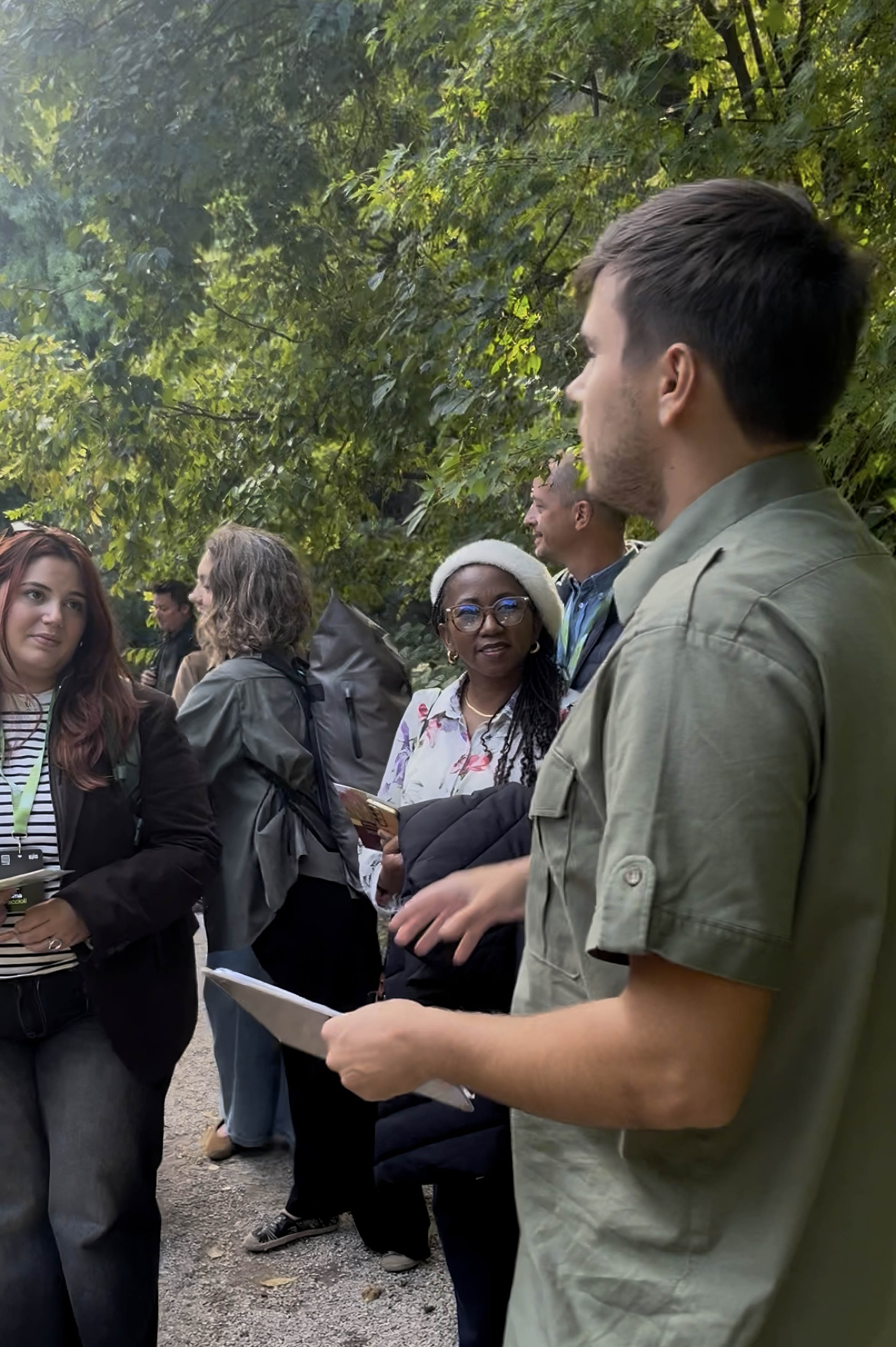
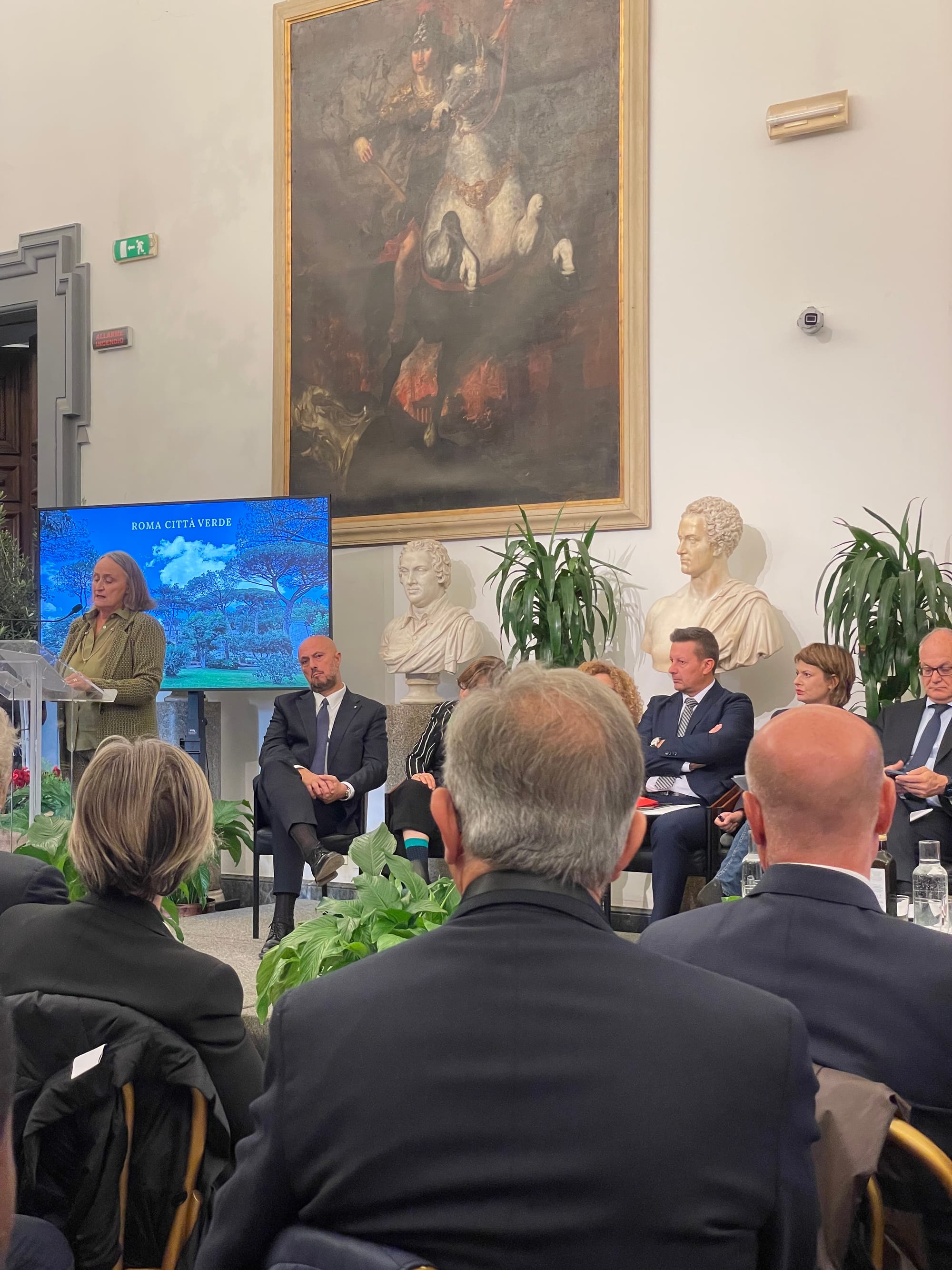
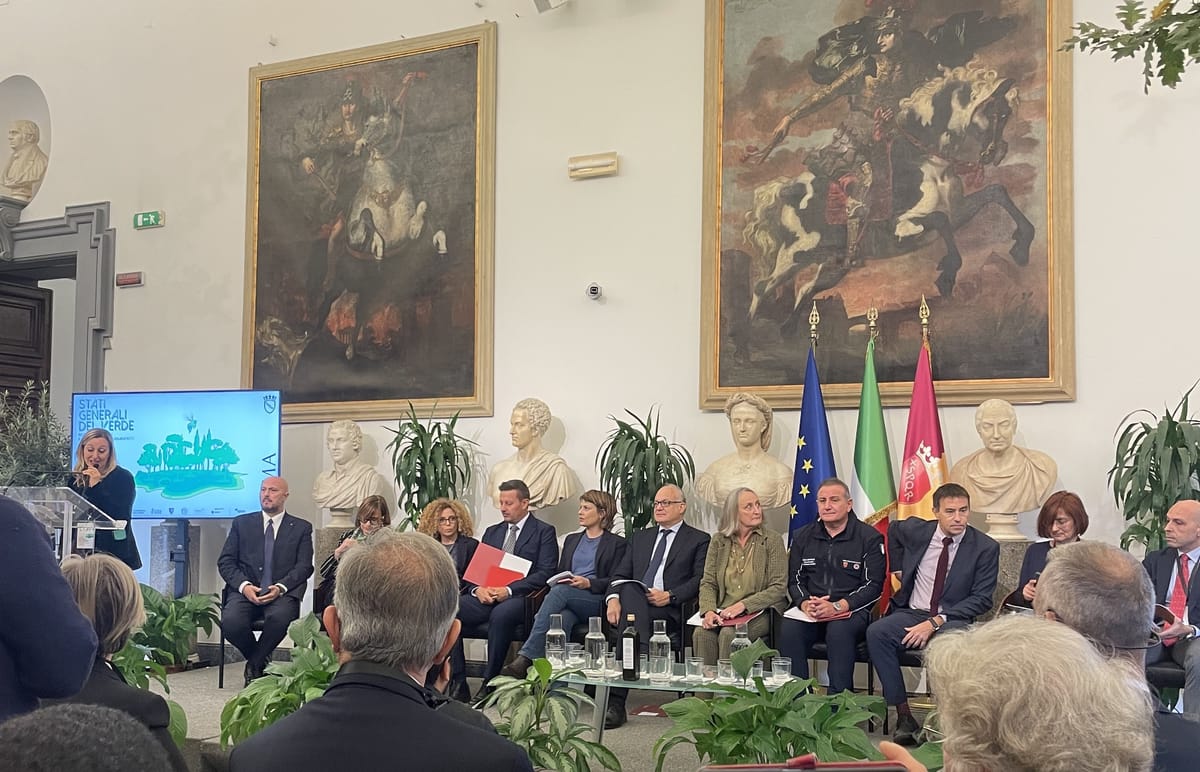
Presentation of the project for the EIIS course at the Botanical Garden in Rome. General Assembly on Urban Greenery at the Campidoglio, in the Protomoteca hall.
These events are fundamental components of the project, as we attribute great importance to training and transdisciplinary communication, which we consider essential tools for promoting dialogue between science and society. In addition to research and conservation work, the meetings and activities held at the Botanical Garden are valuable opportunities to promote knowledge and awareness of the natural heritage that surrounds us. In the future, these initiatives will be expanded and opened up to visitors and schools, with the aim of involving an ever-wider audience and showing how biodiversity can be integrated into urban life, contributing to the collective well-being and ecological sustainability of the city.
Collaboration, dialogue and discussion
Collaborating, dialoguing and discussing with research bodies, institutions and companies allows us to integrate different skills and visions, transforming scientific initiatives into concrete actions in the local area. With this in mind, we participated in the General States of Urban Greenery as observers, gathering useful ideas and suggestions for the development of our work. Attending institutional events of this calibre represents a valuable opportunity to contribute to public debate and align the project's actions with the city's urban and environmental planning guidelines. These are moments of great value for associations and for those who, like us, work in environmental research and protection, as well as in the sustainable management of the territory and species.
For us, in fact, in addition to the conservation of threatened species and habitats, the project also aims to enhance the numerous ecosystem services offered by wetlands: recreational benefits, improvement of mental and physical health, mitigation of microclimatic conditions and natural control of mosquito populations.
Initiatives, training days and discussions such as these demonstrate how crucial the synergy between science, institutions and local communities is to building greener, more resilient cities that are aware of the value of their biodiversity.