
The return of the Italian crested newt to Rome’s Botanical Gardens: a conservation success
Following meticulous environmental restoration work that has brought new life to the historic ponds of Rome’s Botanical Gardens, an ambitious ‘bottom-up’ conservation project was officially launched in January 2026. The aim is to reintroduce the crested newt (Triturus carnifex) to a site where the species was historically present but from which it has unfortunately disappeared over the last few decades due to the introduction of invasive alien species and the widespread use of pesticides.
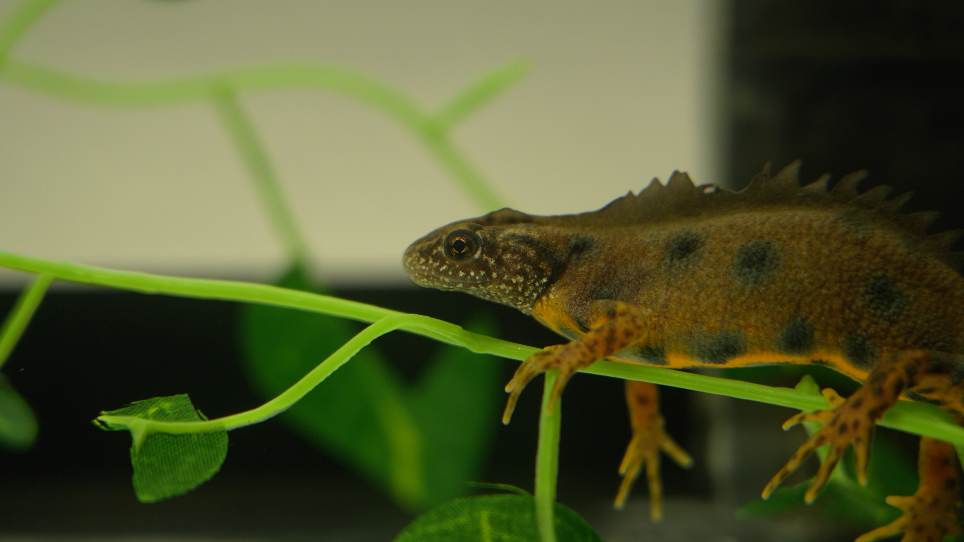
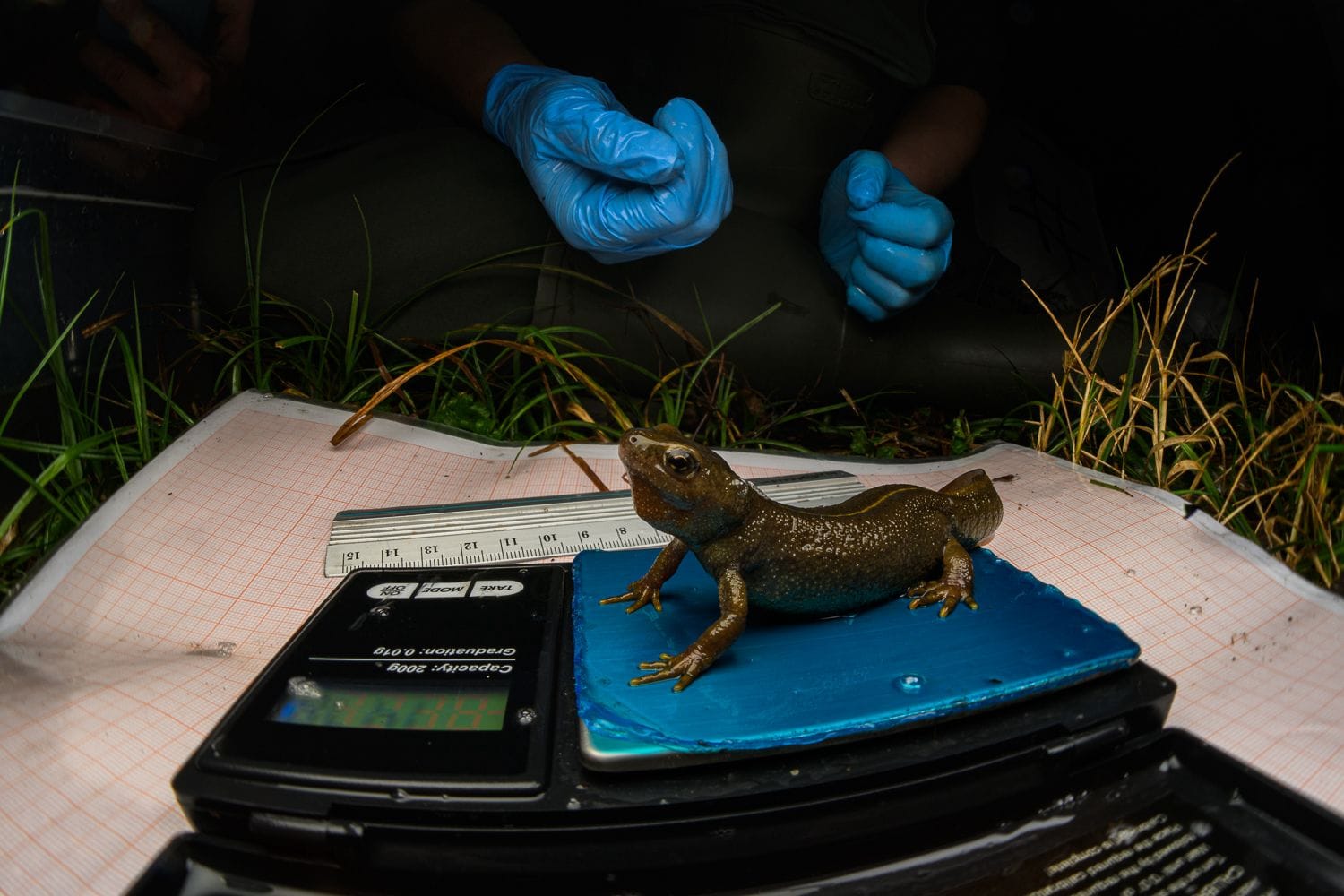
Photo on the right by Emanuele Biggi
The start of the operational phase was preceded by a long and rigorous preliminary phase. In-depth feasibility studies for the reintroduction were carried out, supported by accurate estimates of environmental suitability indices and the analysis of numerous other ecological, chemical-physical and biological parameters and indicators. Only after confirming that optimal conditions for the species’ long-term survival had been restored was the breeding phase initiated.
The founder individuals were collected from a large and stable population in the Roman countryside, in full compliance with current regulations, with all necessary ISPRA and MASE authorisations, and whilst minimising the impact on the site of origin. Prior to any relocation, the specimens underwent rigorous health screening to rule out the presence of lethal pathogens, with particular focus on diagnostic tests for chytridiomycosis, one of the main global threats to amphibians.
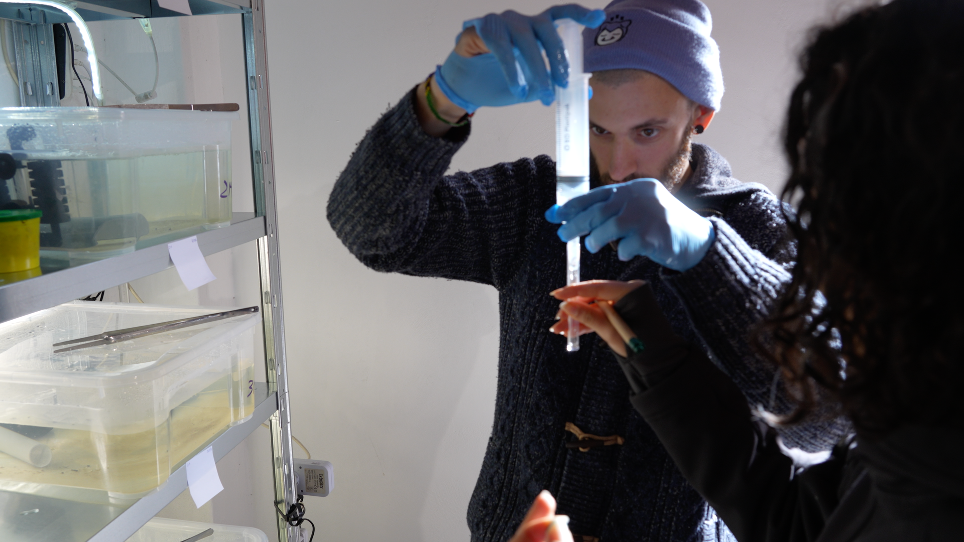
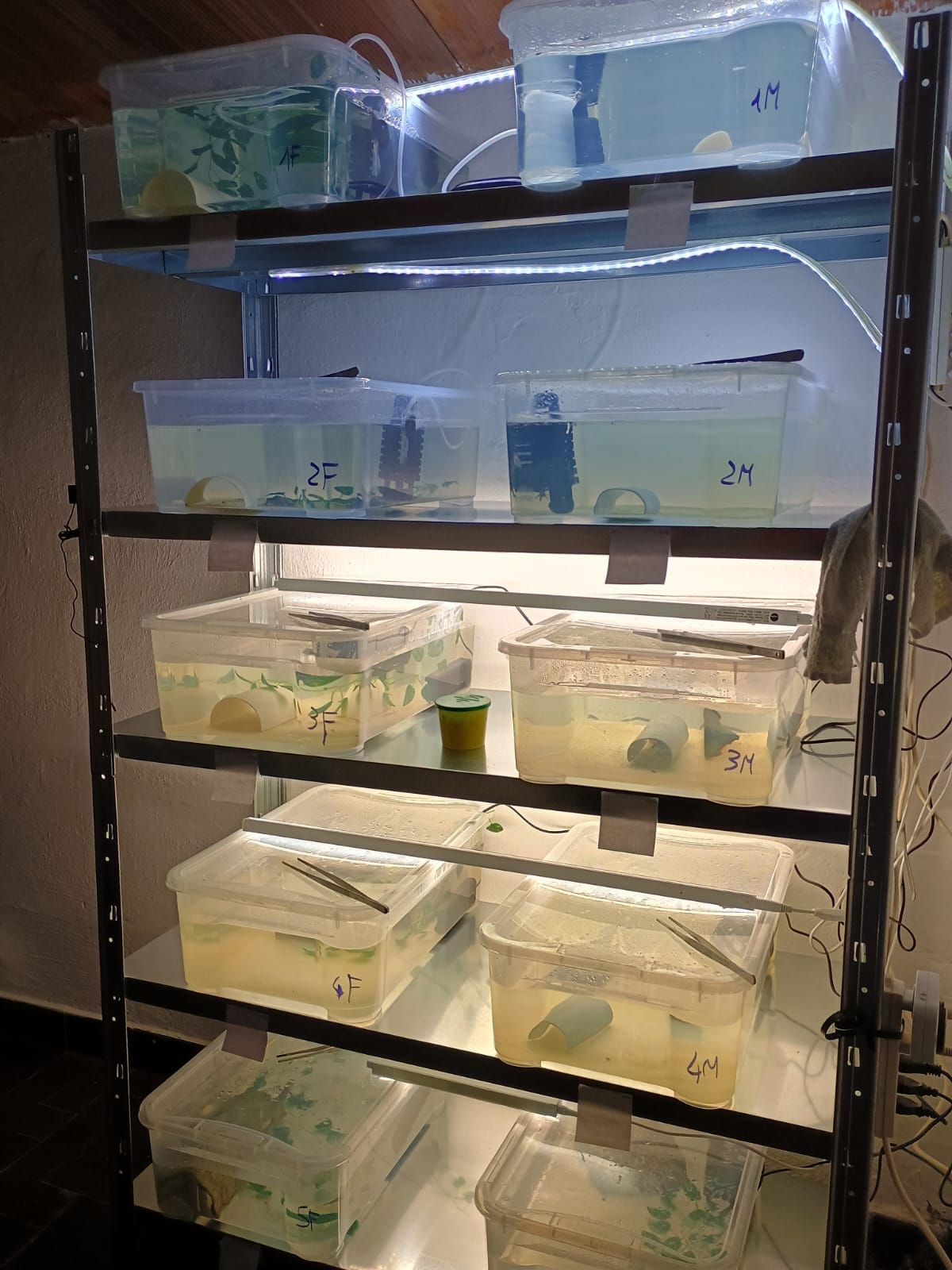
During the first few weeks following their capture, the newts were kept in quarantine in specially designed enclosures, created to perfectly simulate natural conditions and ensure their maximum welfare, at the headquarters of the Roman Society of Natural Sciences (SRSN). The completion of the quarantine period and confirmation that the animals were free from pathogens gave the green light for their transfer.
The next step involved moving the specimens to the breeding centre, specially set up within the facilities of the Botanical Garden of Rome. In this protected environment, the newts spent the breeding season. The females laid over 1,200 eggs, carefully attaching them to flexible plastic supports positioned to facilitate laying and, above all, identification by the operator.
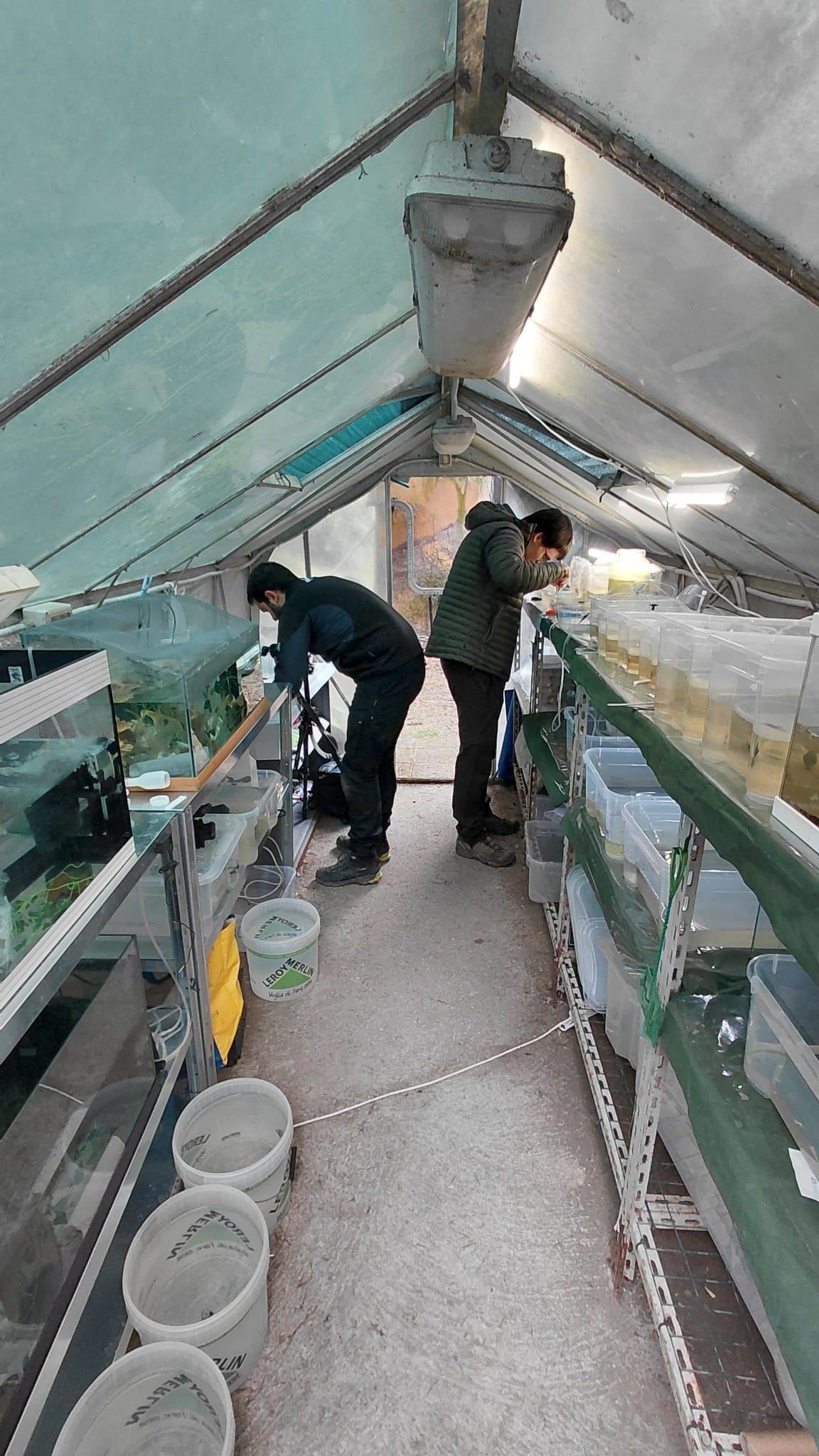
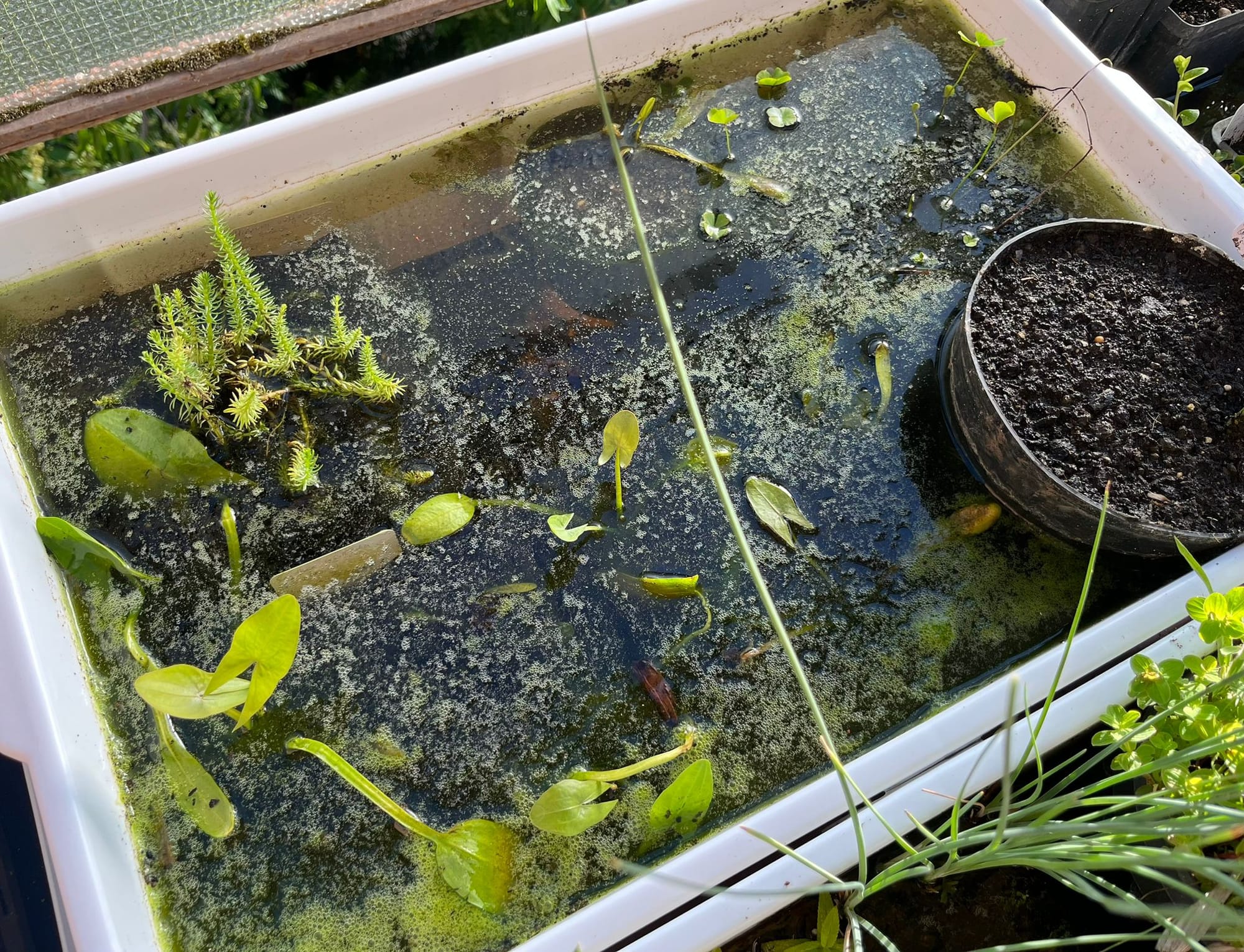
Of these eggs, a large number have already hatched successfully, giving rise to a new generation of larvae that are currently in a crucial phase of rearing and controlled growth. The release strategy for these young specimens involves a precise distribution to maximise the project’s effectiveness whilst minimising the impact on the source population: 30% of the larvae obtained will be reintroduced to the adults’ site of origin, where they too will be released once reproduction is complete, thereby supporting and reinforcing the population from which the adults originate. The remaining 70% will instead be released directly into the restored ponds at the Botanical Gardens in Rome.
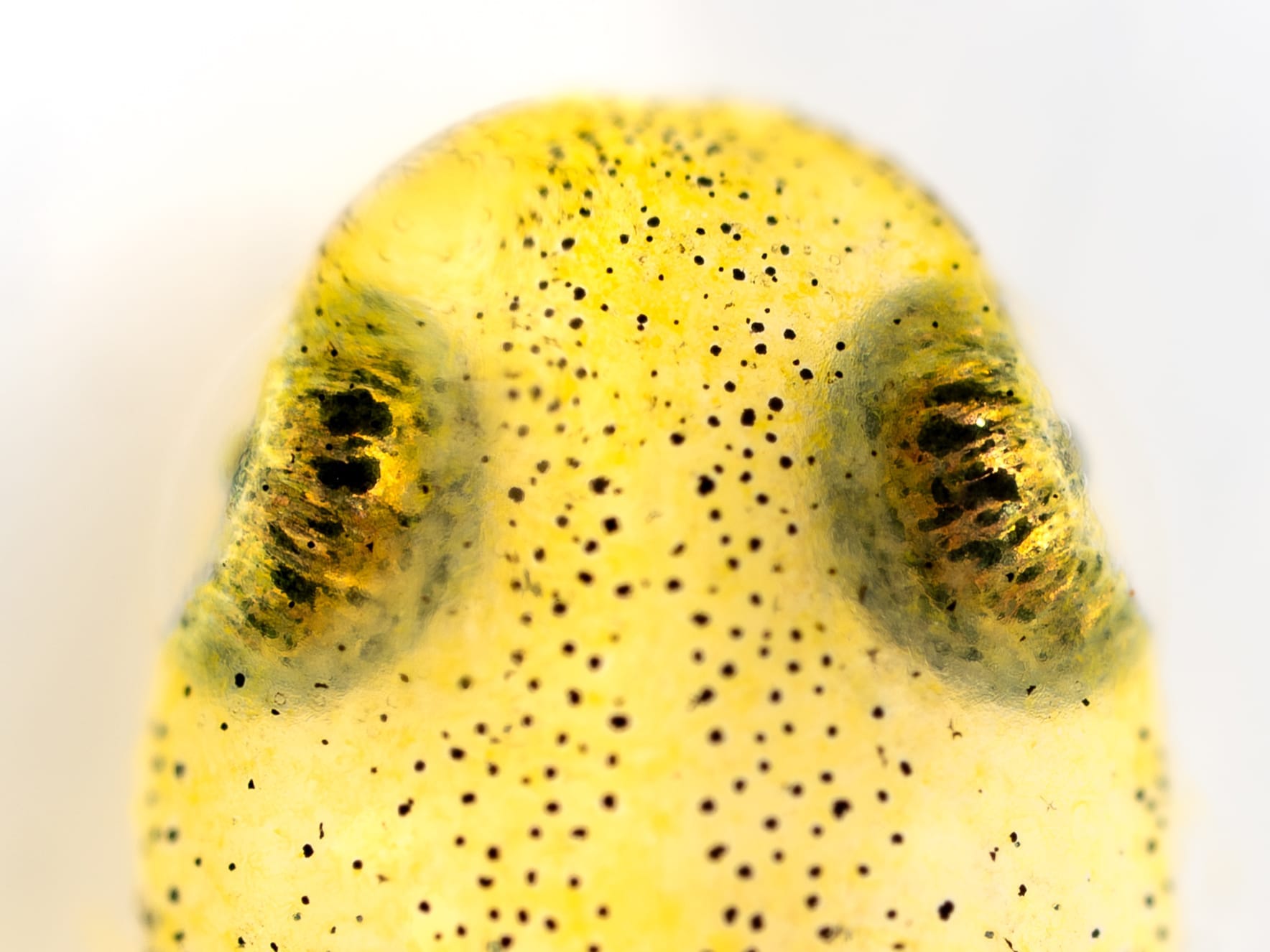
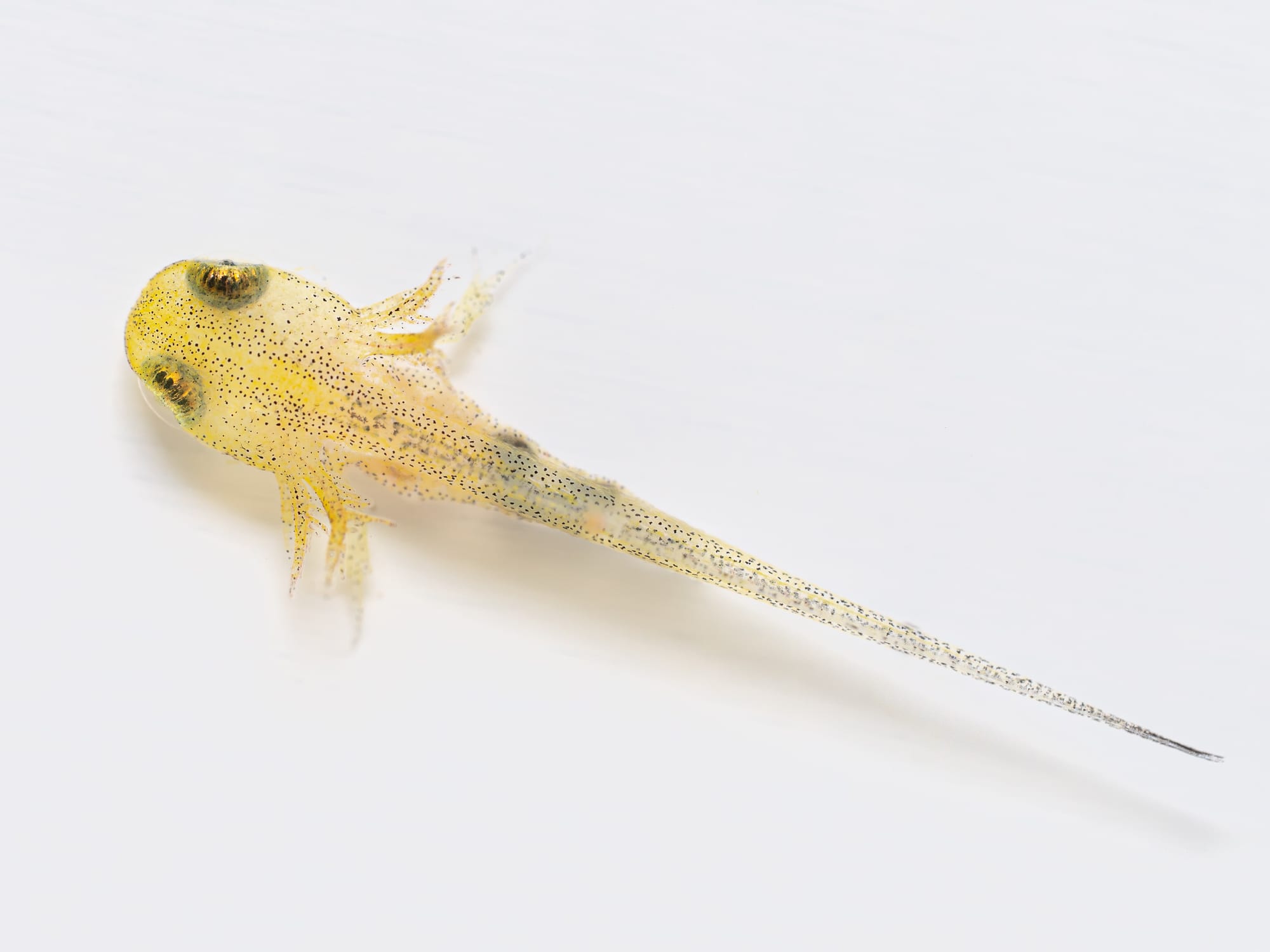
Ph by Federico Stefanelli
Thanks to this plan, a large and stable population will be re-established within the Botanical Garden within a couple of years. This urban population will be able to sustain itself and ensure the long-term conservation of this important species, which is strictly protected and listed in the annexes to the European Union’s Habitats Directive (Directive 92/43/EEC). An extraordinary achievement that demonstrates how the synergy between scientific research, active land management and the involvement of young people and volunteers can effectively reverse the processes of local extinction.