Research and conservation: Smooth Newt
Ecology of the species
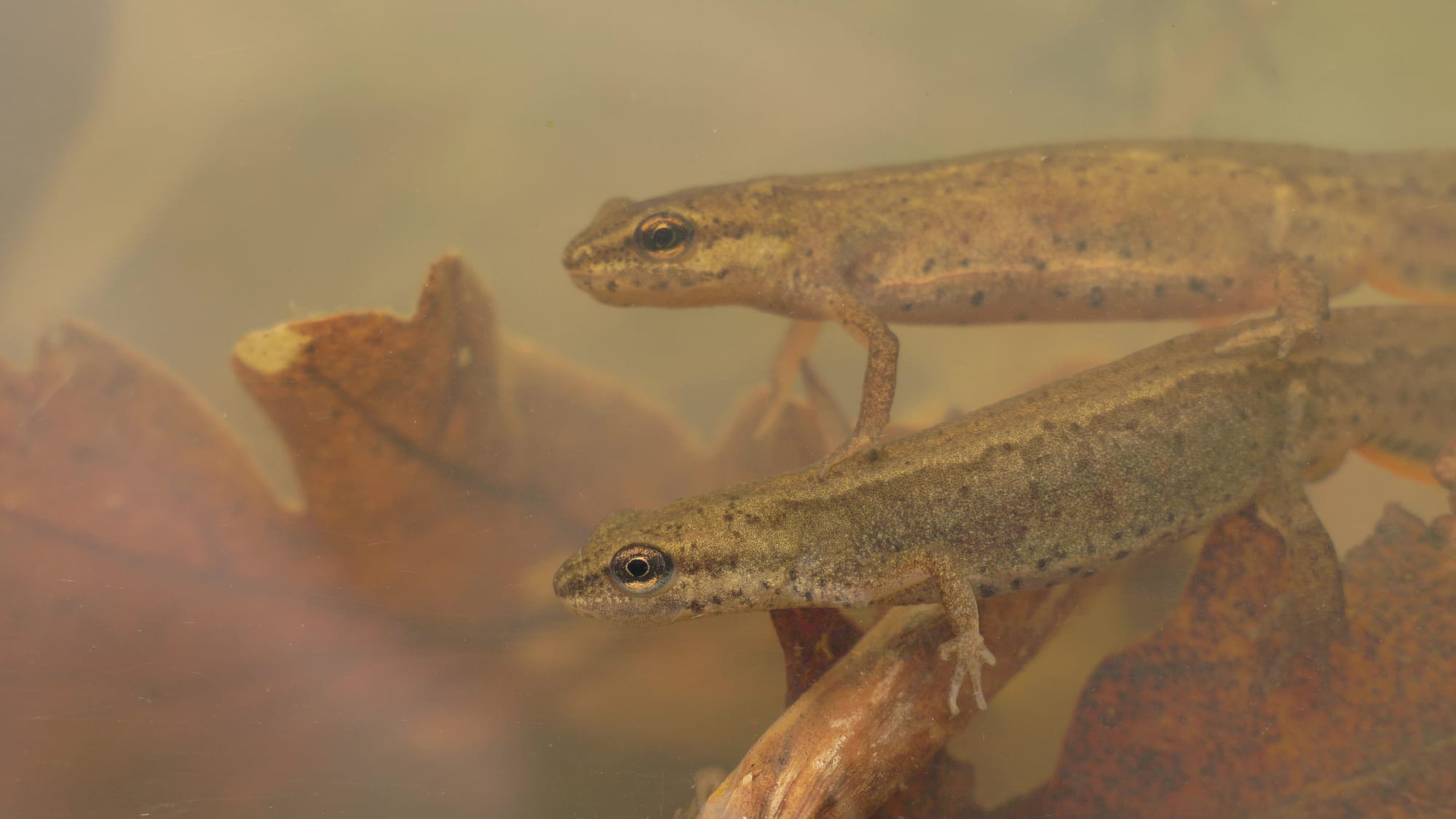
The smooth newt (Lissotriton vulgaris meridionalis) is a small urodel amphibian found throughout most of Europe. It is commonly found in central Italy, including the urban area of Rome, where it was once very abundant.
This amphibian lives in natural and man-made environments, using small pools of stagnant water, ponds and drinking troughs for reproduction, and wooded or grassy areas as terrestrial habitats. It has a double life: aquatic during the breeding season and terrestrial in the colder months.
Smooth newts are important predators of mosquito larvae, contributing to the biological control of these insects. Their presence indicates a good ecological status of aquatic environments, acting as a bioindicator of environmental quality.
This species contributes to urban ecosystem services by maintaining the balance of aquatic communities and promoting biodiversity. It is sensitive to pollution, habitat loss and the presence of alien species, such as goldfish, carp, mosquitofish or exotic turtles.
Conserving it means not only protecting a threatened species, but also enhancing urban ecosystems and promoting sustainable coexistence between nature and the city.
Research and conservation of the Italian Smooth Newt (Lissotriton vulgaris meridionalis) in the Historic Ponds and fountains of the Botanical Garden of Rome: Project Phases and Preliminary Results
Introduction
In February 2025, we launched a conservation project focused on the Italian smooth newt (Lissotriton vulgaris meridionalis) within the historic ponds and fountains of the Botanical Garden of Rome. The project aims to both enhance ecological knowledge of this urban population and implement conservation actions to improve breeding habitat suitability in an anthropogenic environment.
Project Phases
- A preliminary survey of all ponds within the study area was conducted to assess habitat conditions and amphibian presence.
- Following the approval of permits from ISPRA, we began with field activities, including:
- Capture of individuals using dip nets;
- Photographic documentation of ventral patterns for individual identification;
- Morphometric measurements (length and weight);
- Immediate in-situ release after data collection.
- Over 15 standardized monitoring sessions were carried out between February and June 2025.
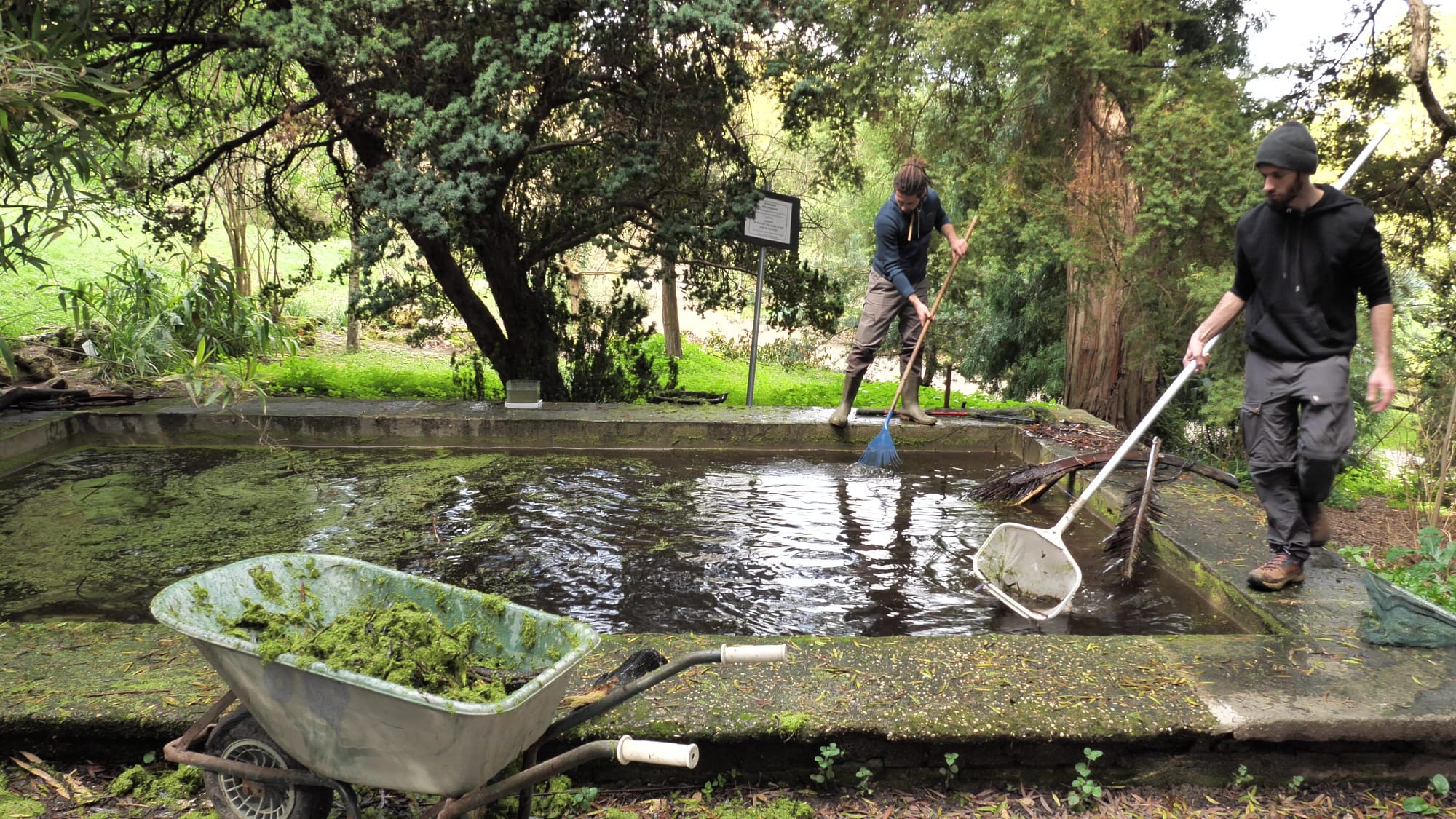
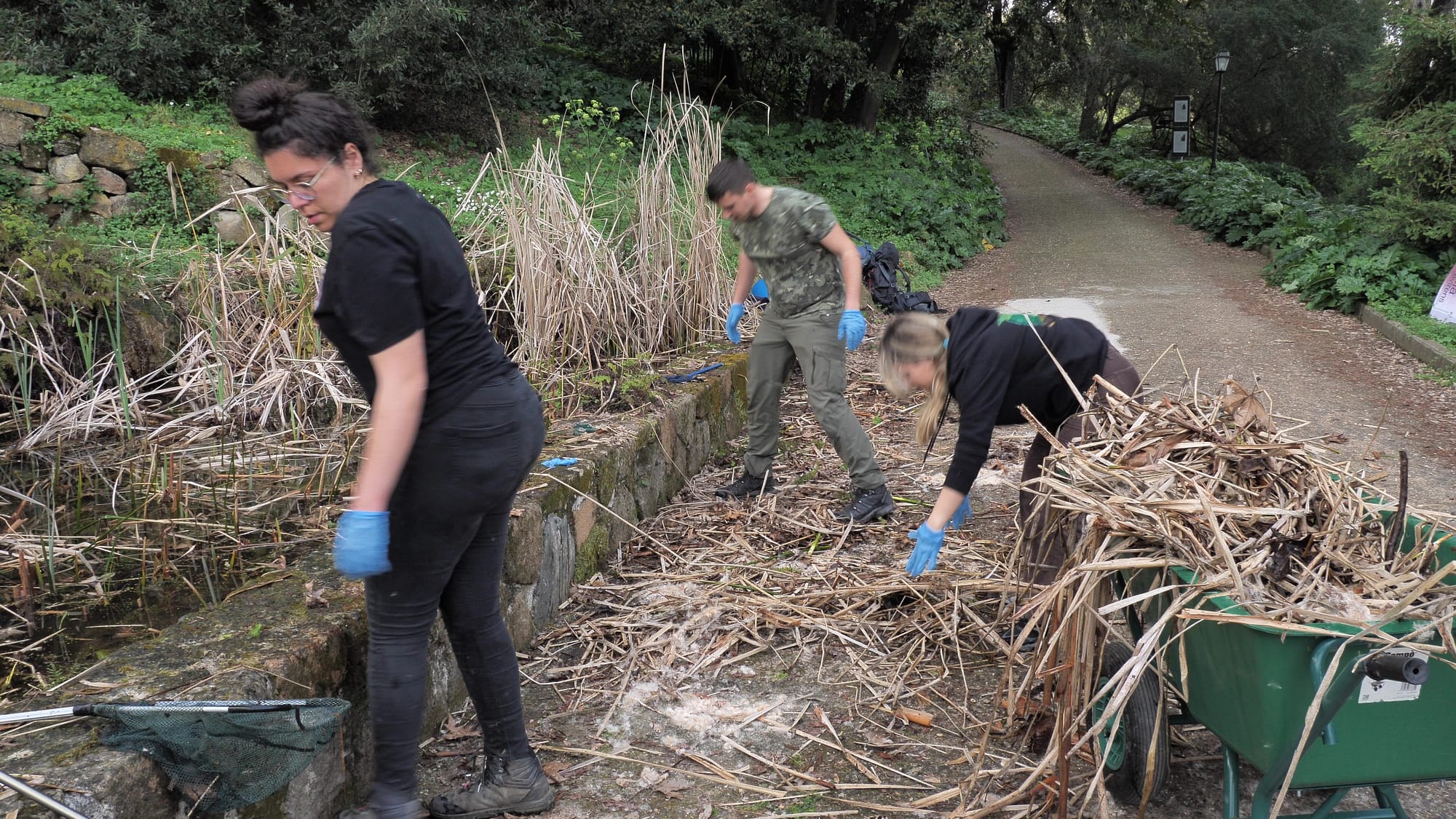
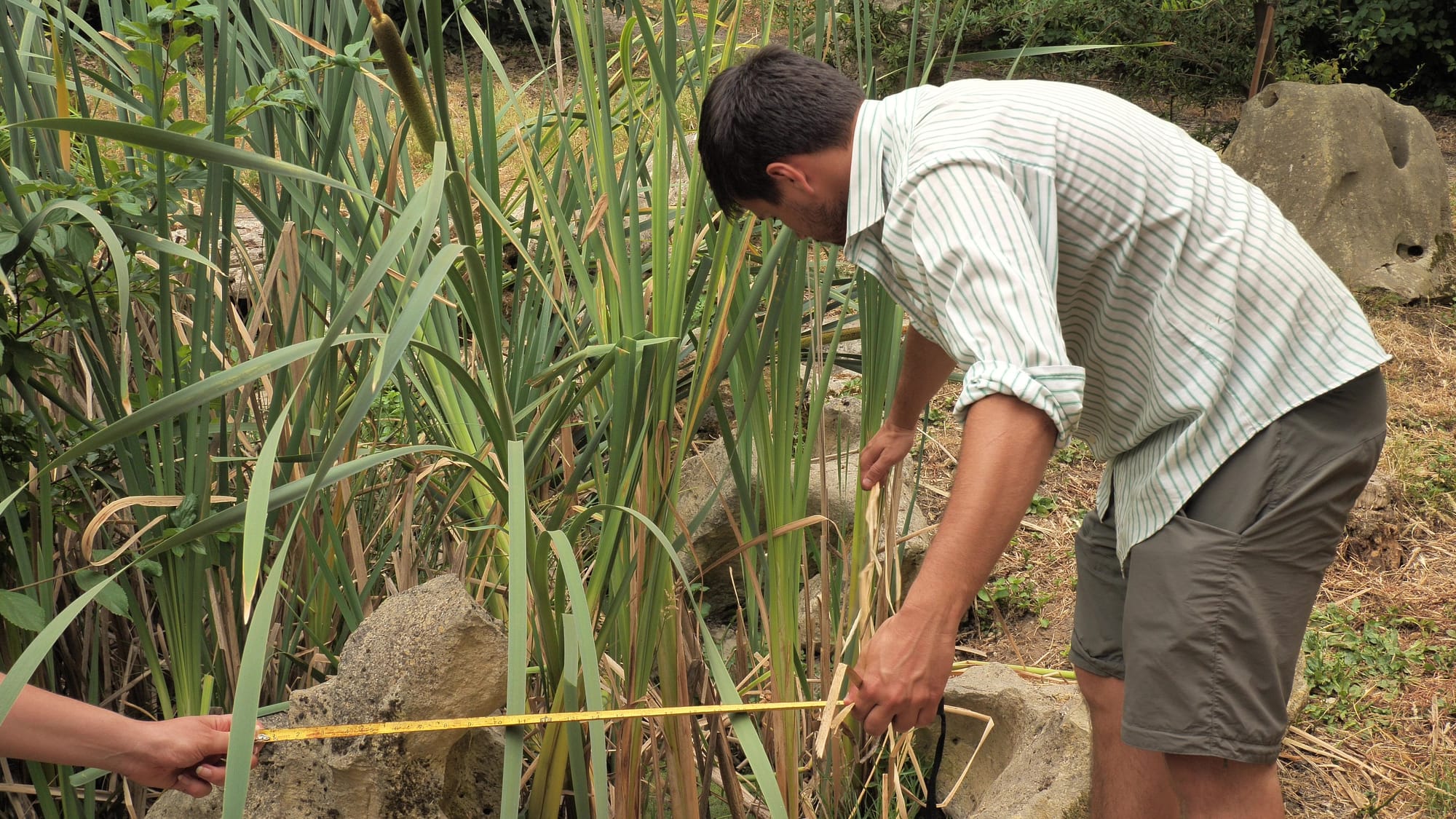
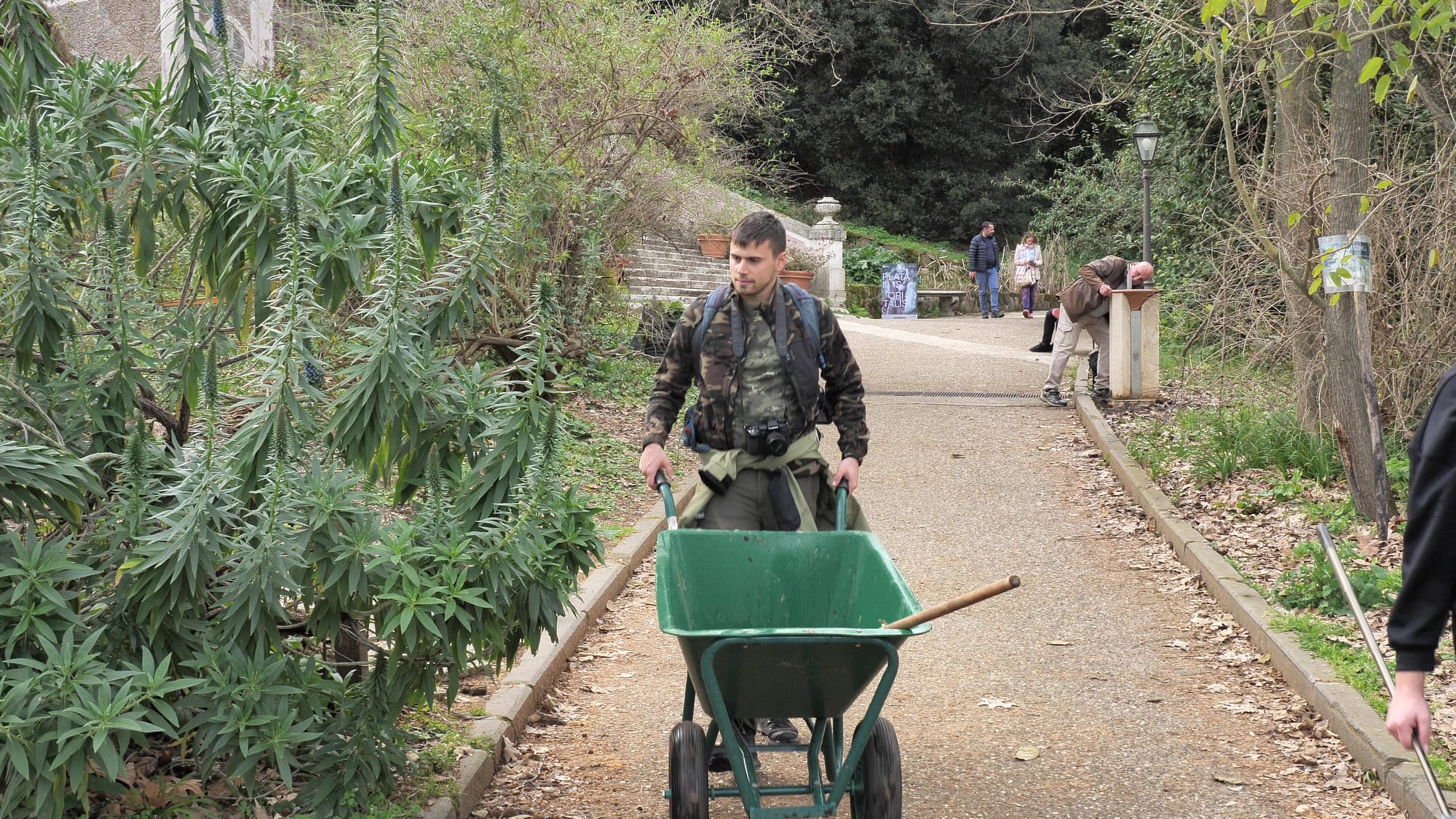
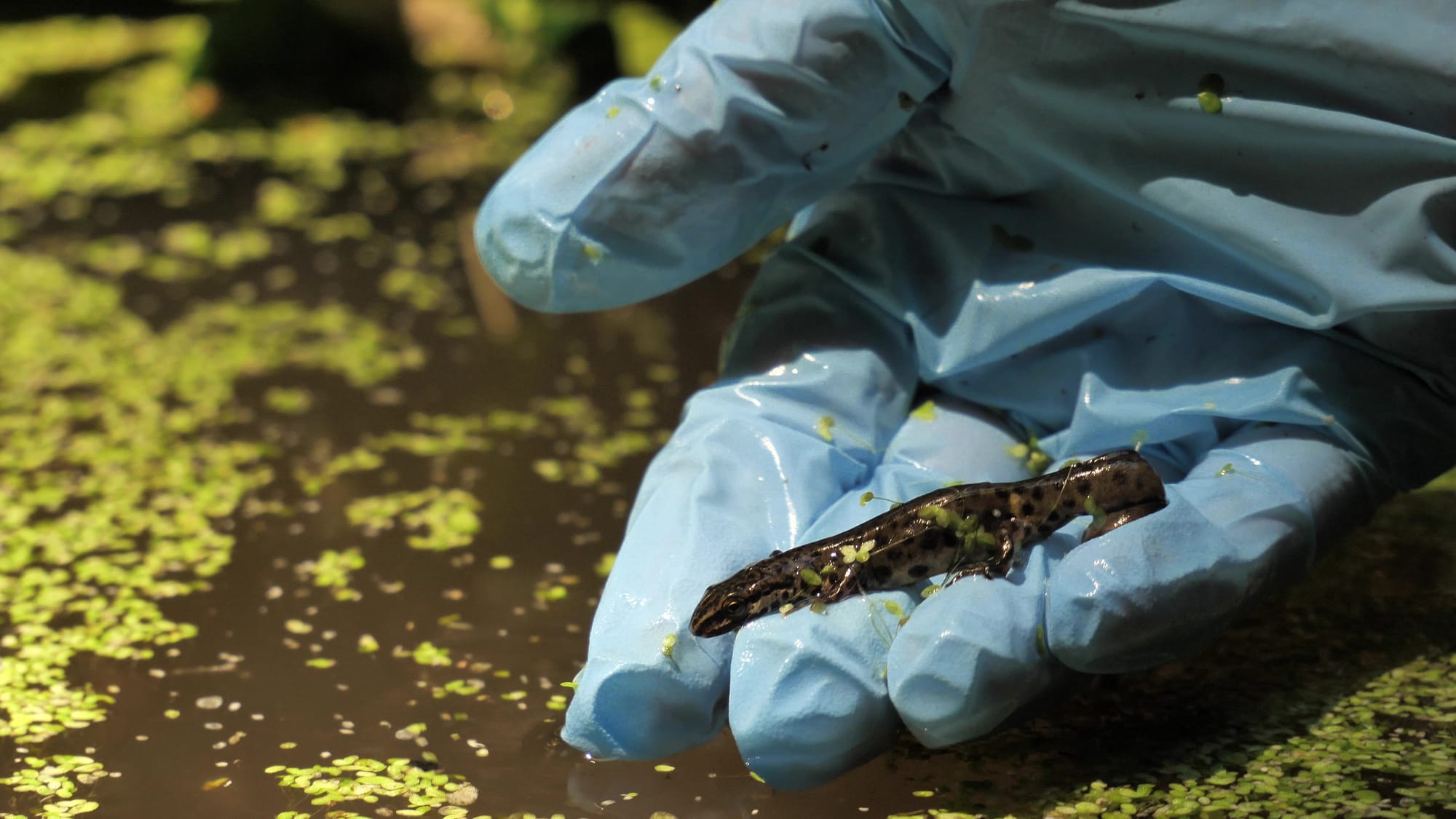
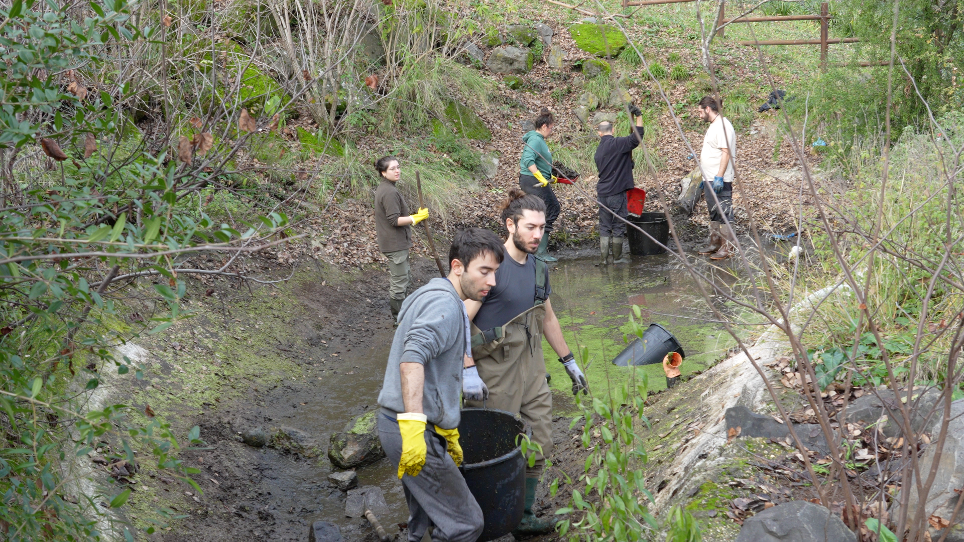
The various stages of cleaning the ponds, including the removal of Lemna minuta, an invasive and biocidal species of aquatic macrophyte. Cleaning the ponds and removing part of the vegetation, if it is invasive, is part of the normal routine maintenance to preserve the balance in these small and delicate ecosystems.
Preliminary Results
Collected data revealed an unexpectedly high population density, with over 300 estimated adult individuals, significantly exceeding initial estimates. This suggests that, despite surrounding anthropogenic pressures, the monitored ponds currently exhibit favorable ecological conditions capable of supporting a stable breeding population of L. vulgaris meridionalis.
Ongoing Actions
During the summer months, we undertook the following actions:
- A site-specific assessment of habitat suitability for amphibian reproduction across all monitored ponds;
- Targeted removal of invasive alien species, particularly the red-eared slider (Trachemys scripta) and mosquitofish (Gambusia spp.) — both listed among the 100 worst invasive alien species globally (IUCN);
- Local habitat enhancement interventions aimed at improving breeding conditions and ecological functionality.
Next Steps
A second operational phase is planned for autumn 2025, focusing on further improving habitat quality ahead of the next breeding season, which, for some species such as the common toad (Bufo bufo), may begin as early as January or February.
The project will continue throughout 2026 and 2027, with a dual objective: on one hand, to carry out long-term monitoring of the population to evaluate demographic trends and assess the effectiveness of conservation interventions; on the other, to strengthen outreach, education, and training activities.
Public engagement will be central to this phase, with actions including:
- the development of educational materials and activities aimed at primary and secondary schools;
- the creation of a dedicated educational path within the Botanical Garden, designed to foster ecological awareness in younger generations;
- the involvement of local communities and citizens in the protection of urban biodiversity;
- and the training of university interns and early-career researchers, providing hands-on experience in fieldwork, data collection, and conservation planning.
These integrated actions aim to combine research, conservation, and education, creating a model for urban biodiversity protection that is scientifically robust and socially inclusive.
Update:
Following the restoration work carried out at 10 water sites, the smooth newts have moved to the largest water site of the botanical garden (the pond), which has been completely restored and cleared of invasive species.
The individuals recorded this year appear to be in particularly good health and are very numerous, with breeding confirmed at most of the restored sites.